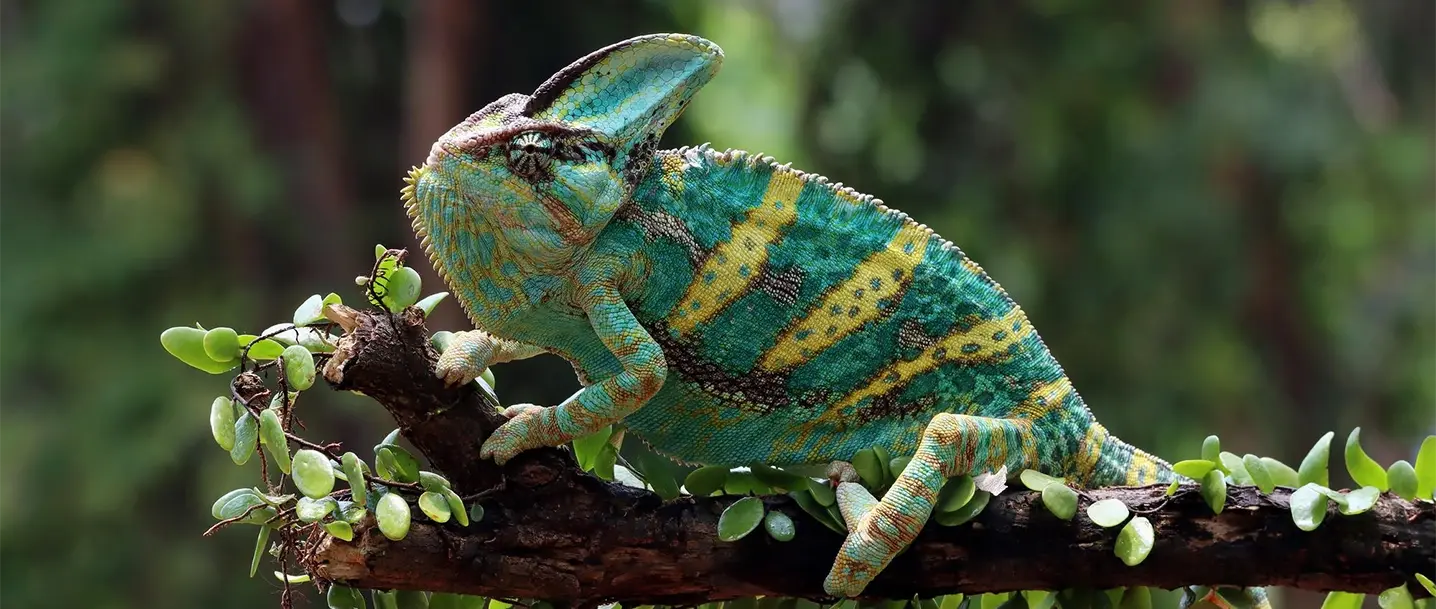
Gosumbe, the chameleon, is one of nature’s most fascinating little wonders. In many parts of India, the name itself evokes curiosity, because this shy reptile is often seen as a symbol of calm stillness, survival, and silent beauty. With its slow movements, swivelling eyes, curled tail, and remarkable ability to blend into its surroundings, the chameleon has long captured the imagination of people and storytellers alike.
The Indian chameleon, scientifically known as Chamaeleo zeylanicus, is the only chameleon species found in the Indian subcontinent. It lives in dry forests, scrublands, orchards, gardens, and woodland edges, where it spends most of its time among branches and low vegetation. Its body is perfectly designed for a life in the trees, with a grasping tail and feet that help it hold onto twigs securely. Its long, sticky tongue shoots out quickly to catch insects, making it an efficient hunter despite its gentle appearance.
What makes the chameleon truly special is not just its looks, but its role in the ecosystem. As an insect-eater, it helps control pest populations and contributes to the balance of nature. People often admire it for its colour-changing ability, though this is usually linked to mood, temperature, and communication rather than camouflage alone.
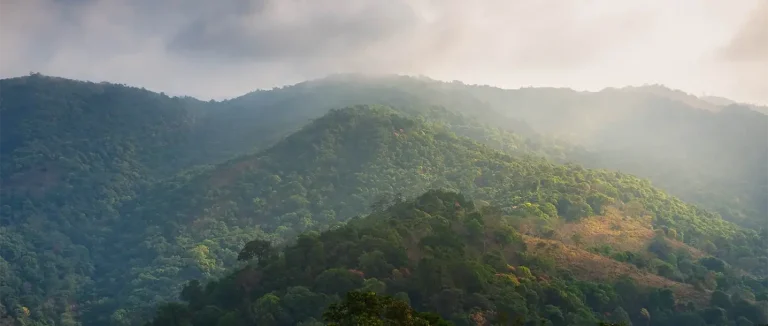
Today, Chameleons face threats from habitat loss, pesticide use, and collection from the wild. Although the Indian chameleon is not among the most endangered reptiles, it still depends on healthy natural habitats to survive. Protecting its environment means protecting the smaller threads of biodiversity that keep ecosystems alive.
Gosumbe reminds us that beauty in the wild is not always loud or dramatic. Sometimes, it is quiet, patient, and perfectly adapted to its world.