Category: Uncategorized

  • Nature’s Wonders: Gosumbe the Chameleon 

    Nature’s Wonders: Gosumbe the Chameleon 

    March 23, 2026

    Nature’s Wonders: Gosumbe the Chameleon

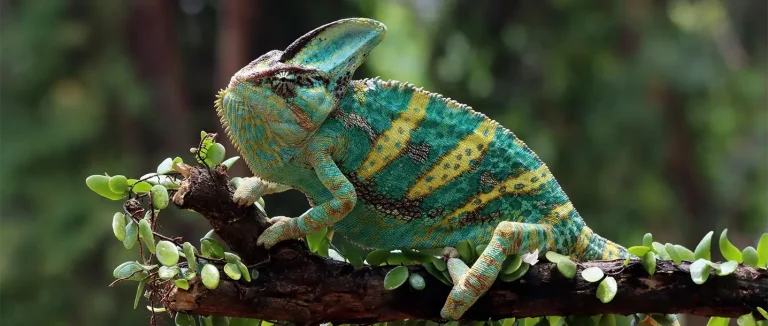
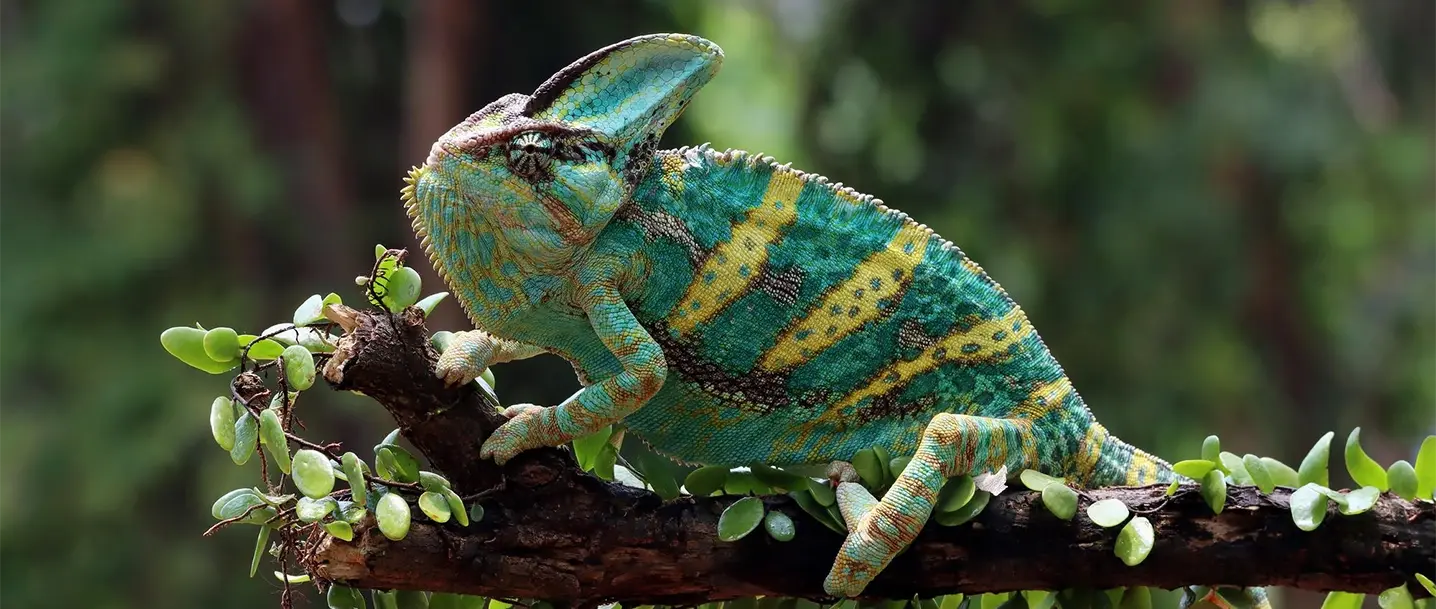
    Gosumbe, the chameleon, is one of nature’s most fascinating little wonders. In many parts of India, the name itself evokes curiosity, because this shy reptile is often seen as a symbol of calm stillness, survival, and silent beauty. With its slow movements, swivelling eyes, curled tail, and remarkable ability to blend into its surroundings, the chameleon has long captured the imagination of people and storytellers alike.

    The Indian chameleon, scientifically known as Chamaeleo zeylanicus, is the only chameleon species found in the Indian subcontinent. It lives in dry forests, scrublands, orchards, gardens, and woodland edges, where it spends most of its time among branches and low vegetation. Its body is perfectly designed for a life in the trees, with a grasping tail and feet that help it hold onto twigs securely. Its long, sticky tongue shoots out quickly to catch insects, making it an efficient hunter despite its gentle appearance.

    What makes the chameleon truly special is not just its looks, but its role in the ecosystem. As an insect-eater, it helps control pest populations and contributes to the balance of nature. People often admire it for its colour-changing ability, though this is usually linked to mood, temperature, and communication rather than camouflage alone.

    Today, Chameleons face threats from habitat loss, pesticide use, and collection from the wild. Although the Indian chameleon is not among the most endangered reptiles, it still depends on healthy natural habitats to survive. Protecting its environment means protecting the smaller threads of biodiversity that keep ecosystems alive.

    Gosumbe reminds us that beauty in the wild is not always loud or dramatic. Sometimes, it is quiet, patient, and perfectly adapted to its world.

    Related Blogs

  • Journey into Indian Wilderness – Go Beyond the Expected

    Journey into Indian Wilderness – Go Beyond the Expected

    Journey into Indian Wilderness – Go Beyond the Expected

    India’s wilderness is as diverse as it is dramatic — from the elephant corridors of the Himalayan foothills to the floodplains of the Brahmaputra, from alpine flower valleys to high-altitude snow leopard terrain. For the discerning traveller, these landscapes offer more than wildlife sightings; they promise rare access, deep immersion, and transformative encounters shaped by conservation, culture, and comfort.

    In North India, the sal forests and riverine belts of Rajaji National Park and Jim Corbett National Park provide classic safari experiences elevated through private guiding and refined jungle lodges. Further north, the stark Himalayan grandeur of Hemis National Park and Kibber Wildlife Sanctuary offers rare snow leopard expeditions and high-altitude cultural immersion. Meanwhile, the seasonal spectacle of Valley of Flowers National Park presents a softer yet equally exclusive Himalayan escape.

    In the Northeast, the wilderness becomes more primal and untouched. Kaziranga National Park and Manas National Park combine UNESCO-listed biodiversity with intimate safari experiences, while Singalila National Park offers panoramic Himalayan ridges and rare red panda habitats. For true frontier exploration, Namdapha National Park stands as one of South Asia’s most pristine ecological sanctuaries.

    Each journey is privately curated — featuring expert naturalists, seamless logistics, exceptional lodges, and personalised service throughout. Whether tracking apex predators, photographing alpine blooms, or cruising remote river systems, our wilderness experiences are designed for travellers who seek authenticity without compromise.

    This is India beyond the expected — wild, refined, and unforgettable.

    Related Blogs

  • In Focus: The Rich Tapestry of North-Western India

    In Focus: The Rich Tapestry of North-Western India

    March 23, 2026

    In Focus: The Rich Tapestry of North-Western India

    The northwestern part of India holds a special kind of magic, where the land stretches wide, the light feels sharper, and every horizon seems painted in shades of gold, ochre, and amber. In Rajasthan, the Desert National Park offers one of the most dramatic wilderness experiences in the country, revealing the soul of the Thar Desert in its raw and timeless form.

    This vast desert landscape is not empty, but deeply alive. Shifting dunes, rocky outcrops, salt flats, fossil beds, and sparse scrub create a habitat that has adapted beautifully to harsh conditions. The Thar’s beauty lies in its restraint — in the silence of the dunes, the whisper of the wind, and the changing colors of the sand through the day. At sunrise and sunset, the desert transforms into a glowing canvas, making every moment feel cinematic and unforgettable.

    The region is equally enriched by its people and culture. The communities of Rajasthan, with their vibrant attire, warm hospitality, and deep connection to the land, bring life and color to this arid setting. Their traditions, music, handicrafts, and desert lifestyle reflect resilience and elegance, adding a human charm that blends perfectly with the stark beauty of the landscape.

    Weather here is defined by extremes — intense heat in the summer, cool and pleasant winter mornings, and clear skies that make the desert feel endless. The best time to explore is during the cooler months, when game drives become more comfortable and wildlife activity is easier to observe.

    Wildlife drives in Desert National Park are a true adventure. The park is known for sightings of chinkara, desert fox, desert cat, Indian wolf, blackbuck, and a rich variety of birds, including the rare Great Indian Bustard. Every drive holds the excitement of discovery, whether it is tracking a fox across the open flats or watching raptors circle above the dunes.

    In contrast to the desert wilderness, are the vibrant cities of Rajasthan where majestic forts, royal palaces, and old-world streets offer a beautiful contrast to the wild landscapes of the desert. Together, the desert and the cities create a journey filled with grandeur, culture, and unforgettable charm.
    Related Blogs

Gosumbe